دسته: گلزن

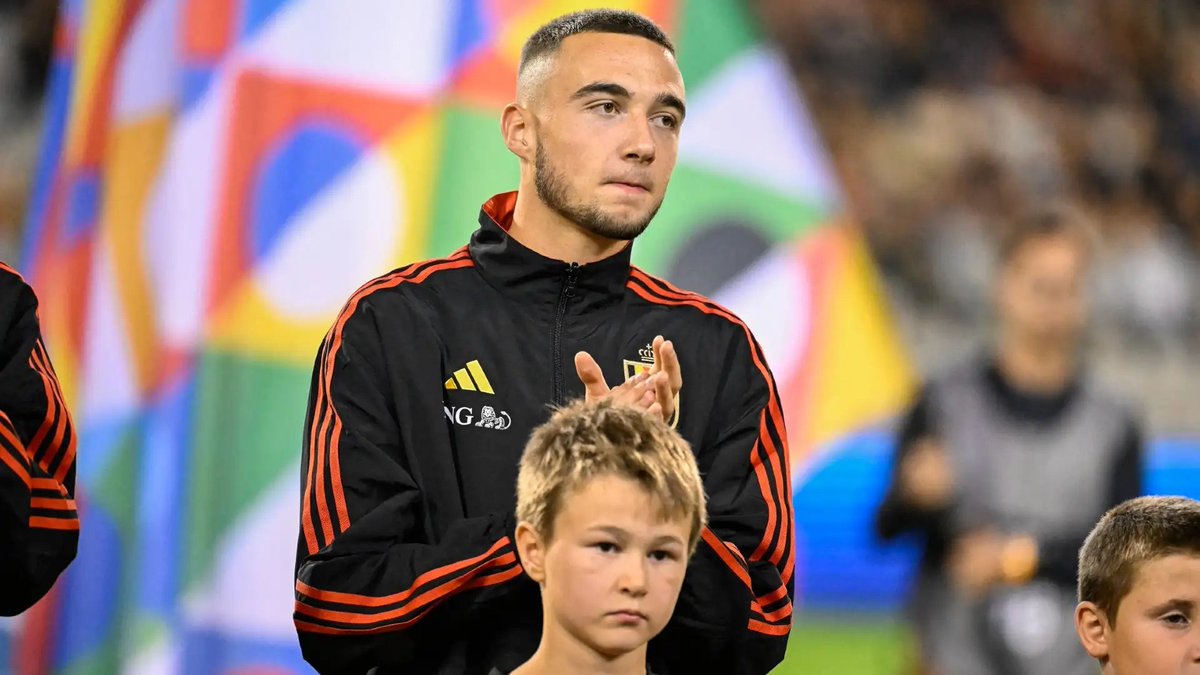
  • Arsenal join Man United in race to sign Zeno Debast

    Arsenal join Man United in race to sign Zeno Debast

    [ad_1]


    Arsenal may have enjoyed one of their most productive transfer windows in recent years, but Mikel Arteta’s push for the Premier League title could see them return to the market in 2025. According to Caught Offside, the Gunners have identified Sporting Lisbon’s Zeno Debast as a target, with scouts monitoring the Belgian centre-back closely.

    Arsenal and Man Utd Set for Transfer Battle

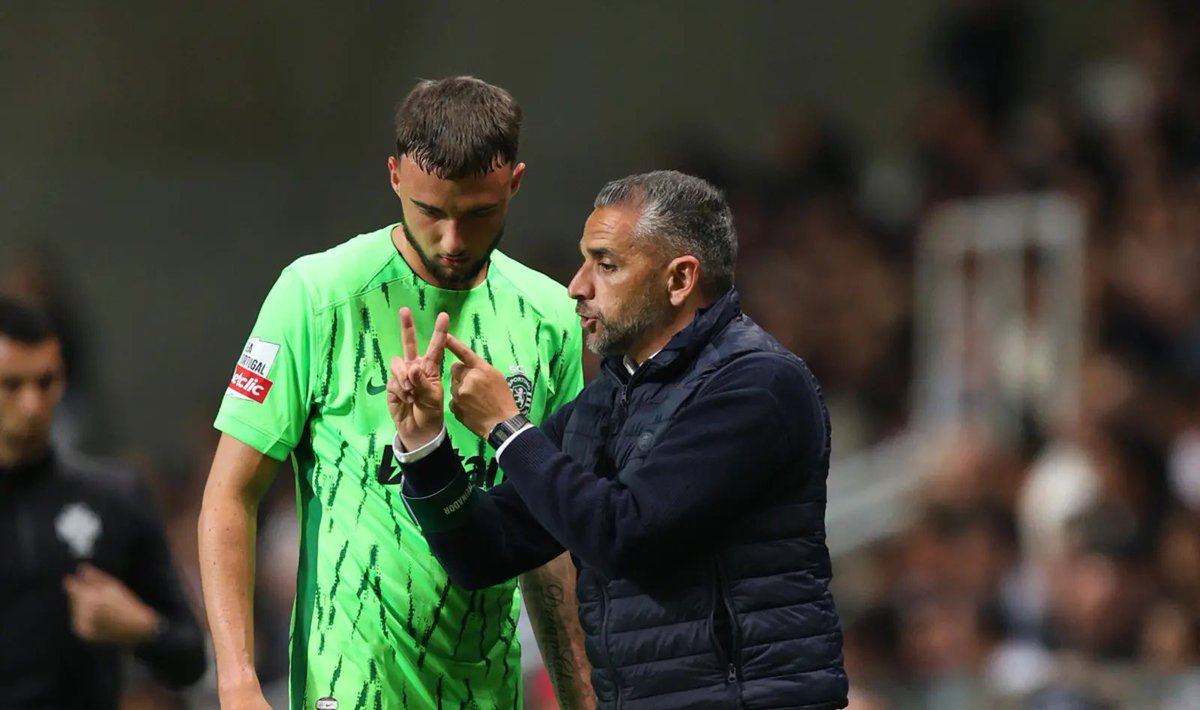
    Manchester United are also keen on the 21-year-old defender, who was brought to Lisbon by Ruben Amorim. Debast has a £70 million release clause, though both Arsenal and United are expected to test Sporting’s resolve with offers closer to half that figure.

    Why Debast Fits Arsenal’s Style

    Debast’s ball progression, passing range, and dominance in the air make him a strong fit for Arteta’s system. However, Arsenal’s defensive depth is already growing. They are obliged to sign Piero Hincapie permanently from Bayer Leverkusen next summer and have already secured Cristhian Mosquera. That may push other priorities higher up the list, such as reinforcing the wings and finding reliable cover for David Raya in goal.

    United Hold an Advantage?

    United, on the other hand, have an urgent need for reinforcements at centre-back. With Jonny Evans and Victor Lindelof departing, Erik ten Hag is keen to add quality depth. Debast’s ability to play in both a back four and a three-man defence makes him an attractive option. His previous relationship with Amorim could also tilt the scales in United’s favour.

    Aston Villa Lurking, But Unlikely

    Aston Villa are also admirers of Debast, but given his hefty price tag, it seems more likely that his future lies with one of the Premier League’s elite sides.

    If Sporting are willing to negotiate, the coming months could see a fascinating transfer battle between Arsenal and Manchester United for one of Europe’s most promising young defenders.

    [ad_2]

    Source link

  • Man Utd lining up move for Zeno Debast

    Man Utd lining up move for Zeno Debast

    [ad_1]


    Manchester United are ramping up their pursuit of Sporting Lisbon star Zeno Debast, with scouts keeping a close eye on the Belgian defender as the January transfer window approaches, according to Caught Offside.

    United Shift Focus to Defence

    After a summer heavily focused on attacking reinforcements — with Matheus Cunha, Bryan Mbeumo and Benjamin Sesko all arriving at Old Trafford — the Red Devils are now turning their attention to tightening up the backline.

    Reports suggest United are preparing a potential £35 million bid for Debast. However, that figure is well below the 21-year-old’s £69 million release clause. Sporting could be open to negotiations, especially given a 15% sell-on clause owed to Debast’s former club Anderlecht.

    Why Debast Fits the Bill

    Debast joined Sporting from Anderlecht in the summer of 2024 and wasted no time making an impact in Portugal. Initially deployed as a central defender under Ruben Amorim, he was later shifted into a defensive midfield role when Amorim adjusted his tactical setup.

    The Belgian impressed in both positions, completing 90% of his passes, averaging over four recoveries per game, and even chipping in with goal contributions. His versatility and composure on the ball have quickly elevated him into a key figure for both club and country, with new Belgium boss Rudi Garcia handing him a regular starting role.

    A Tempting Reunion with Amorim?

    With Amorim now at the helm at Old Trafford, a reunion could prove enticing for Debast. The Portuguese champions will not be easy to negotiate with, given the defender’s contract runs until June 2029, but United’s growing defensive concerns could push them to test Sporting’s resolve.

    If United move swiftly in January, they may just secure one of Europe’s most promising young defenders before his stock rises further — especially with the World Cup on the horizon, where Debast could shine on the biggest stage.

    [ad_2]

    Source link

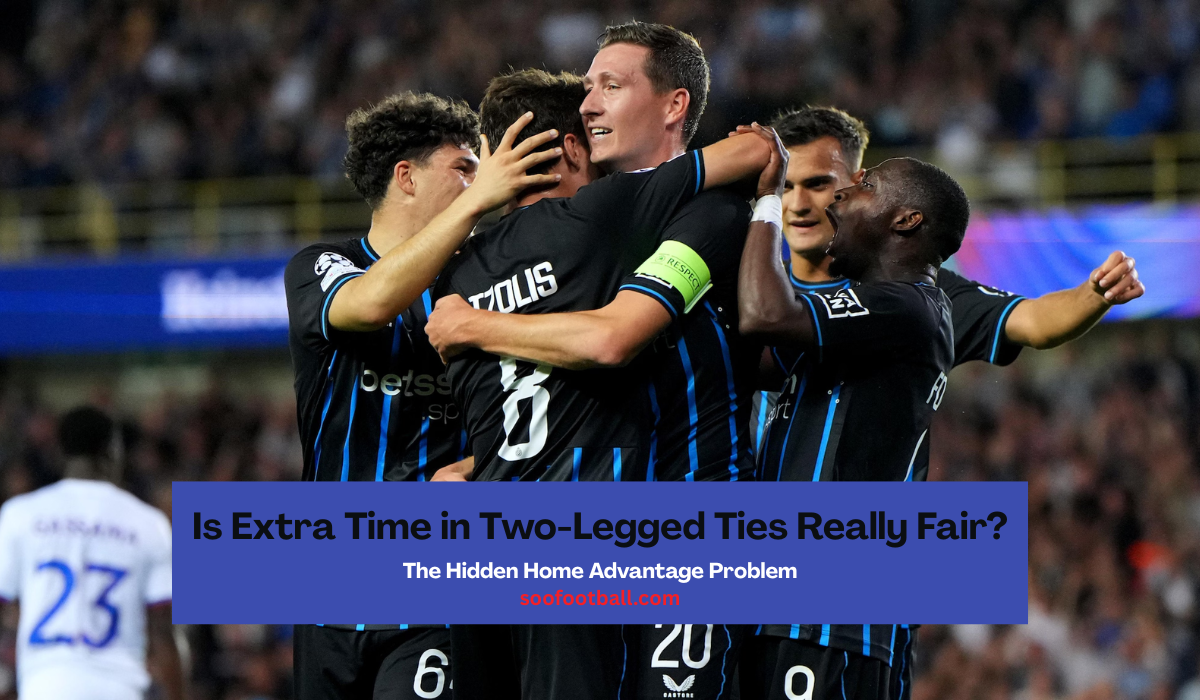
  • Is Extra Time in Two-Legged Ties Really Fair? The Hidden Home Advantage Problem

    Is Extra Time in Two-Legged Ties Really Fair? The Hidden Home Advantage Problem

    [ad_1]

    When UEFA scrapped the away goals rule in 2021, the headline message was “fairness.” The idea was simple. A goal scored in the 90th minute away from home should not carry more weight than one scored in front of your own fans. Many pundits nodded in agreement. Managers like Thomas Tuchel and Pep Guardiola applauded the change, and fans welcomed the idea that ties would now be decided more “purely” on footballing merit. That’s very fine….

    But here’s the irony: while the away goals rule was eliminated in the name of fairness, the system that governs extra time in two-legged ties remains anything but fair. When two teams are level after 180 minutes, the second leg goes to extra time. However, crucially, it’s always played in the stadium of the second-leg host. That means one team gets thirty more minutes with its crowd behind them, on its familiar pitch, in its own city, while the other side is left battling uphill in hostile territory. If fairness were the goal, then this is football’s most glaring blind spot.

    Take the unforgettable Champions League semi-final between Real Madrid and Manchester City in 2022. Madrid was trailing late on aggregate, then pulled off one of their trademark comebacks and took the tie into extra time. Once the Bernabéu crowd roared into life, it felt almost inevitable. Karim Benzema’s penalty sealed it. But the real question is, was it fair for City to compete with Madrid at the Bernabeu in those extra minutes when only 90 minutes were played at the Etihad? Was City not at a clear disadvantage in the extra time?

    Another example is the 2025 Champions League semi-final second leg at San Siro. Inter and Barcelona were deadlocked on aggregate when Raphinha’s late strike seemed to wrap it up. Only for Francesco Acerbi to equalise at the death and plunge the tie into extra time. As expected, the passionate Inter support in the stadium lifted the home side, and Davide Frattesi scored in extra time, sending Inter through. That extra half-hour of home advantage proved decisive. It raises the same fundamental question as the Real Madrid game: Is it fair for Barcelona to compete in extra time at San Siro when they didn’t have the same environment for the first 90 minutes?

    These examples highlight a conversation football rarely has. Fans and pundits argue endlessly about VAR, fixture congestion, and the Super League, but the inherent unfairness of extra time in two-legged ties is a football debate that needs serious attention.

    The Challenge With Current Format Justified By Stats

    The numbers make the problem obvious. A study of 186 European ties that went to extra time showed that the home side in the second leg advanced two-thirds of the time (66.4% to be precise). Even in penalty shootouts (the supposed lottery), the home team still win most of the time (57%). Furthermore, across roughly 12,000 European knockout matches between 1956 and 2007, the side hosting the second leg went through 53% of the time. In international playoffs, that advantage jumped as high as 61%. These are not mere coincidences. They are signs of structural bias.

    And when you think about it, the explanation is simple. Playing extra time at home means an additional thirty minutes of crowd energy, the comfort of a familiar pitch, the absence of travel fatigue, and even, as some refereeing studies suggest, a subtle subconscious bias in officiating. These are the very factors that UEFA said they wanted to strip away when they abolished away goals. Yet in practice, they have doubled down on them, gifting the home team in the second leg an extra half-hour of precisely those advantages.

    My Proposal

    If we all agree that fairness is the ultimate goal, then there has to be a better way to settle knockout ties than giving one team thirty bonus minutes at home. My solution is simple: if two legs are level after 180 minutes, the tie should shift to a neutral ground. Call it a third leg if you like, but the principle is balance.

    There are two ways this could work. One option is a full match at a neutral venue, giving both teams equal footing with a crowd that isn’t overwhelmingly tilted one way or the other. Another, perhaps more practical, version is a shorter playoff: thirty minutes of extra time and, if needed, penalties, all at a neutral ground. Either format removes the inherent tilt of the current system and reframes the contest as a genuine decider rather than an extension of home advantage.

    The beauty of this idea is that it doesn’t just solve a fairness issue. It adds something to the spectacle. Imagine the drama of a decisive one-off event on neutral turf, a mini-final before the final. Fans would travel, broadcasters would market it as an occasion, and UEFA or FIFA would find themselves with a new product that both satisfies fairness and creates commercial buzz. In an era where football is constantly looking for ways to grow its audience, this is one change that could make competitions feel fresher without selling out their traditions.

    For me, this is about consistency. If UEFA were serious enough about fairness to scrap the away goals rule, then surely it should also be serious enough to fix this blind spot. A neutral-ground playoff doesn’t erase the magic of two-legged ties. It preserves it, while ensuring that when the dust settles, nobody can claim the scales were tilted by geography.

    Counterargument On The Proposal Addressed

    Wait before you crucify my proposal. I know it raises questions, and I’m ready to address them. The first argument everyone jumps to is fixture congestion. Clubs already complain about playing three times a week, and the calendar feels suffocating with international breaks, domestic cups, and European commitments stacked on top of each other. But let’s be honest: introducing a neutral “third leg” isn’t the apocalypse. If it’s a full match, it adds one extra night, which is still fewer than what we used to have in the replay era of the FA Cup, where teams could end up playing again and again until someone finally won. And if UEFA went with my shorter version (thirty minutes plus penalties on neutral ground) it’s not adding an entirely new fixture, just shifting where and how those decisive moments happen.

    The second concern is logistics and travel. Flying squads, fans, and officials to a neutral city sounds complicated, but is it really? UEFA already manages this every season with the Champions League final, choosing and preparing a neutral stadium years in advance. Why couldn’t the same principle apply to these potential “third legs”? Imagine if UEFA designated a set of rotating cities. Let’s say, Lisbon one year, Amsterdam the next, maybe even smaller football capitals eager to host. Everyone would know in advance where the neutral playoff would be staged. It would be a planned part of the calendar rather than a sudden scramble.

    Then there’s the argument that it’s “too radical,” that it would change the DNA of two-legged ties. But football has always changed over time. The away goals rule itself was once a radical experiment, and its scrapping just a couple of years ago was another big shift. Before that, replays in European competitions weren’t uncommon. Even in the World Cup, when knockout matches go to extra time, it’s always on neutral ground because the entire tournament is in one country. If neutrality works at the very highest level of the sport, why shouldn’t it be embraced here?

    Others might say this proposal dilutes the drama of those famous second-leg nights at Anfield, the Bernabéu, or the San Siro. But I’d argue the opposite. It adds a new layer. You’d still have the magic of two legs, but you’d also get the thrill of a one-off decider where neither side has a built-in advantage. If anything, that showdown would become an event in itself, marketed and remembered like a mini-final, rather than an awkward extension of one team’s home comforts.

    So yes, there are counterarguments that I already imagined. But when you actually think them through, none of them outweigh the core principle: fairness. If football can adapt to VAR, five substitutes, Nations League tournaments, and winter World Cups, it can certainly handle a tweak that levels the playing field in its most prestigious competitions.

    Final Thought

    At the heart of this whole discussion is a simple contradiction. UEFA scrapped away goals to make ties “fairer,” yet the extra time rule still hands the second-leg host a glaring thirty-minute advantage. My proposal of a neutral ground third leg (whether as a full match or a shorter playoff of thirty minutes plus penalties) is not about destroying tradition, but about restoring balance. It solves the one problem everyone overlooks: one team getting to fight with their crowd behind them, while the other fights against it.

    But do you think my idea works? Would a neutral third leg truly make things fairer, or would it just complicate the game we already love? Should it be a full ninety-minute replay, or would a shorter, neutral extra-time playoff do the trick? Could rotating neutral venues add to the spectacle, almost like a mini-final sprinkled into the knockout stages? Or do you believe the drama of those famous second legs is too valuable to risk?

    Anyway, let me know your thoughts in the comments section. Feel free to share this article X or other platforms and tag the right bodies so this fairness debate can get its deserved attention.

    [ad_2]

    Source link

  • Arsenal frontrunners to sign Angelo Stiller

    Arsenal frontrunners to sign Angelo Stiller

    [ad_1]


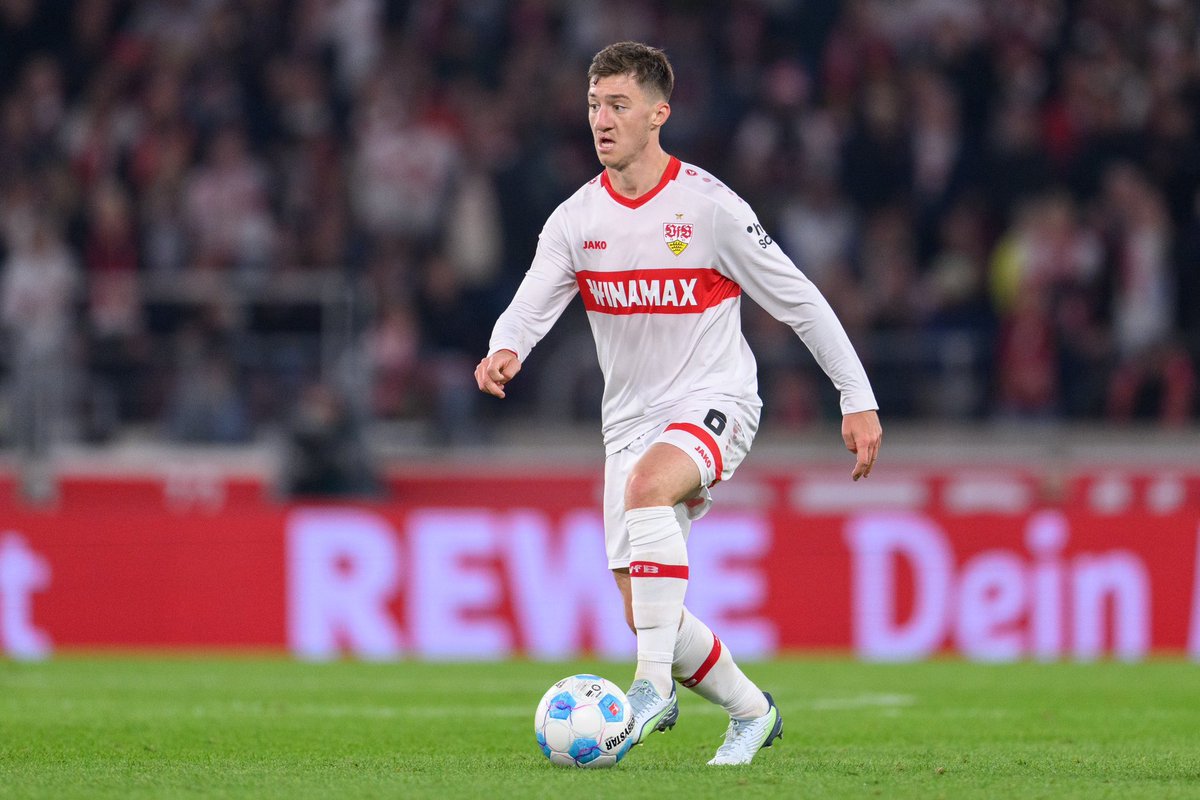
    Arsenal are reportedly in a strong position to sign Stuttgart midfielder Angelo Stiller when the transfer window reopens in January, according to the Daily Express.

    Stiller’s Rise at Stuttgart

    The 24-year-old German joined Stuttgart from Hoffenheim in August 2023 and has since become a cornerstone of Die Schwaben’s midfield. Across 82 appearances, he has contributed five goals and 17 assists, while his composure in possession and defensive discipline have made him one of the Bundesliga’s standout midfielders.

    Last season, Stiller played 31 league matches and featured in the UEFA Champions League, underlining his growing reputation on the European stage. He has continued his strong form this term, already playing in the Bundesliga, DFB-Pokal, and DFL-Supercup.

    Arsenal vs Manchester United in Transfer Battle

    Stiller was on Manchester United’s radar over the summer, but no move materialised. Now, Arsenal appear ready to swoop ahead of their Premier League rivals, with the report claiming that Mikel Arteta’s youth-driven project has caught the midfielder’s attention.

    Stuttgart are reluctant to lose their midfield gem, but with interest from Europe’s elite, they are bracing for bids in January. Any deal is expected to cost around £52 million.

    Where Would Stiller Fit at Arsenal?

    The Gunners already boast impressive depth in midfield with Declan Rice, Martín Zubimendi, Mikel Merino, and Christian Nørgaard. However, with Rice and Merino often pushed into more advanced roles, Stiller could slot in as a deeper option, allowing Zubimendi greater freedom to dictate play.

    Still, spending £52m on a player who might not be an automatic starter is a big call. Arsenal may look to negotiate a lower fee, especially with other areas of the squad also requiring reinforcements.

    Should Arsenal hesitate, Manchester United could re-enter the race, keeping this transfer saga wide open.

    [ad_2]

    Source link

  • Kısa inceleme 7 slots – en iyi sanal kumarhane bonuslar ile –

    [ad_1]

    Kumar sahnesi, dünyanın her yerinden oyuncular arasında büyük talebe sahiptir mükemmel itibar, güvenlik garantileri ve yüksek kaliteli yazılım sahiptir. Katılımcılar zengin mükafatlar, çok sayıda şampiyona ve değerli kupalar, çekilişler ve ikramiyeler içeren promosyonlar bekliyorlar. Web sitesi kullanımı kolay tasarım, yönlendirme ve düzenleme için çok sayıda araç sahiptir.

    Giriş hesabınıza giriş işlemleri 7slots resmi web sitesi, geçerli site aynası, mobil platform veya iOS/Android uygulaması aracılığıyla gerçekleştirilir. Yazılım platformlar arası, oyun programları hemen başlat tüm elde taşınabilir ve sabit gadget’larda. Çevrimiçi casino’da ayrıcalıklar ile kayıt süreci Süreci basit, üç yöntemle gerçekleştirilir: posta adresi, telefon numarası, sosyal medya aracılığıyla. Oyun oynama ile para yetişkinler oyuncular tarafından kayıt formunu doldurduktan, kişilerin onayından ve fon yatırma işleminden sonra izin verilir.

    Kumar sisteminin Anahtar Artıları

    Düzenli üyeler altını çiz belirli faydaları 7 slots:

    1. 2000’den fazla kumar makinesi.
    2. uluslararası ünlü sağlayıcılarla İşbirliği.
    3. Aktif sertifika Curacao.
    4. Güvenilir parasal araçların geniş aralığı.
    5. Hızlı çekme ikramiye olmadan sırlı ödemeler.
    6. Taşınabilir sürüm site, ücretsiz uygulama.
    7. Kesintisiz yardım teknik destek.

    7 slot, kullanıcıların bireysel bilgilerinin ve parasal işlemlerinin modern şifreleme protokollerini kullanarak güvenliğini garanti eder. Web sitesi üzerinde küçüklerin katılımı, çift hesap, yanlış bilgi belirtilmesi kabul edilemez.

    gerçek finans üzerine Bahisler oturum açmış oyunculara mevcuttur. Hesaba yenileme kullanıcı modern ödeme sistemlerini kullanır: kredi kartları, dijital cüzdanlar, kripto para platformları. Fonlar hesaba anında gelir. Ödeme paranın on dakikadan yetmiş iki saate sürer. Kara para aklamayla mücadele etmek karşı koymak için, kumarhane en büyük para çekme miktarı için tek sefer, gün, ay başına kısıtlama uyguladı.

    Katılım farklı bonus programına

    7slots dönemsel ve uzun vadeli teklifleri etkili vardır. Daha ayrıntılı ayrıntılı modern teklifler tanıyabilirsiniz bölümünde “Bonuslar”. En yüksek büyük ödül bir kullanıcı bir profil oluşturma karşılığında edinir – ücretsiz dönüşler ve ilk yatırımın miktar pay.

    Her katılımcı, site üzerinde bonus kodu etkinleştirme hakkına olabilir ve bunu uygun alan içerisine benzersiz bir anahtar belirterek yapabilir. Oyuncu hesaba para, ücretsiz döndürmeler, puanlar veya sertifikalar yatırır ve piyangoya katılmak için kullanır.

    başarısızlık durumunda, kullanıcı nakit iade alma hakkına sahip olabilir. Tazminat kaybedilen miktarın en fazla yüzde onudur, sadakat programındaki katılımcının durumuna bağlıdır. ödül, her yedi gün durum hesaba hesaba verilir, sonuç olarak bahis oynamaya.

    [ad_2]

    Source link

  • Kısa inceleme 7 Slots – en iyi internet kumar platformu ödüller ile –

    [ad_1]

    Sanal platformu, dünya çapında oyun severler arasında büyük popülerliğe sahiptir kusursuz itibar, güvenlik teminatları ve kaliteli yazılım sayesinde. Katılımcılar zengin ödüller, çeşitli yarışma ve önemli kupalar, çekilişler ve ikramiyeler içeren programlar bekleyebilirler. Web sitesi sezgisel tasarım, hareket ve sıralama için çok sayıda araç sunar.

    Giriş hesabınıza giriş işlemleri 7Slots asıl sitesi, kullanılabilir site aynası, mobil site veya iOS/Android uygulaması yardımıyla gerçekleştirilir. SW platformlar arası, oyunlar anında başlat herhangi bir elde taşınabilir ve sabit cihazlarda. sanal casino’da bonuslar ile hesap kaydı Süreci karmaşık değildir, üç yöntemle yürütülür: elektronik posta, cep telefonu numarası, sosyal platformlar aracılığıyla. Oyun oynama ile finans yetişkinler kullanıcılar tarafından kayıt formunu doldurduktan, iletişim bilgilerinin onayından ve fon yatırma işleminden sonra izin verilir.

    Oyun sitesinin Anahtar avantajları

    Sık üyeler işaretle aşağıdaki faydaları 7 Slots:

    1. 2000’den fazla slot makinesi.
    2. Dünya çapında ünlü sağlayıcılarla İşbirliği.
    3. Mevcut sertifika Curacao.
    4. Güvenilir parasal mekanizmaların geniş spektrumu.
    5. Hızlı çekme ödül olmadan örtük komisyonlar.
    6. Mobil sürüm site, ücretsiz uygulama.
    7. 24/7 destek teknik destek.

    7Slots, oyuncuların kişisel bilgilerinin ve parasal transferlerinin en yeni algoritmalarını kullanarak güvenliğini sağlar. Kaynak üzerinde çocukların oyun, birden fazla hesap, gerçek olmayan bilgi girilmesi yasaktır.

    Gerçek fon üzerine Ücretler oturum açmış üyelere sağlanmaktadır. bakiyeye kredi ekleme kullanıcı modern ödeme sistemlerini kullanır: banka kartları, e-cüzdanlar, kripto para platformları. Fonlar bakiyeye derhal kredilendirilir. Ödeme paranın 10 dakikadan yetmiş iki saate sürer. Kara para aklamayı karşı koymak için, kumarhane sınırlayıcı para çekme miktarı için tek sefer, 24 saat, ay başına sınır tanıttı.

    Katılım çeşitli bonus program sistemine

    7slots casino giriş kısa vadeli ve kalıcı promosyonları işleyen vardır. Daha ayrıntılı ayrıntılı güncel teklifler bilgi edinebilirsiniz bölümünde “Bonuslar”. En büyük mükafat bir oyuncu bir profil kaydetme karşılığında alır – iadesiz dönüşler ve başlangıç yatırımın boyut yüzdesi.

    Herhangi oyuncu, portal üzerinde kupon etkinleştirme hakkına sahip olabilir ve bunu amaçlanan alan içerisine özel bir şifre girerek yapabilir. Oyuncu hesaba fon, bedava döndürmeler, puanlar veya sertifikalar alır ve piyangoya katılmak için kullanır.

    Kayıp durumunda, katılımcı tazminat alma hakkına sahip olabilir. İade kaybedilen bahis tutarının en fazla yüzde 10’udur, sadakat programındaki katılımcının seviyesine bağlıdır. Bir bonus, her hafta durum yatırıma bakiyeye verilir, bu nedenle bahis gerekli değildir.

    [ad_2]

    Source link

  • The Hypocrisy of Player Strikes: Clubs Do the Same Thing Every Day

    The Hypocrisy of Player Strikes: Clubs Do the Same Thing Every Day

    [ad_1]

    The summer mess surrounding Alexander Isak and Yoane Wissa has sparked a familiar outrage. These players were labelled “unprofessional,” “disgraceful,” even “disgusting,” as Alan Shearer put it regarding their refusal to play to force moves. Yet strangely, when clubs banish players and treat them as surplus by forcing them to train alone or sit out indefinitely, most of the footballing world shrugs it off as simply “business.” Or they simply go mute and never discuss it. Why this glaring double standard?

    When a star player is frozen out, training in isolation or with the youth, the tone is rarely judgmental. It’s rationalised as assertive management or justified discipline. Take Dedryck Boyata, ex-Celtic, who at Club Brugge reportedly told him he might as well be “a hyper-contagious disease.” He was made to change in a cleaning cupboard and train with kids. Yet, few condemned the club outright.

    Consider Manchester United’s 2025 “bomb squad” saga. Players like Jadon Sancho and Antony hinted at wanting out, and as a result, were excluded from the preseason and forced to train away from the squad. Yet when manager Ruben Amorim addressed it, he framed it as professionalism, offering them a pathway back if the price was right.

    Indeed, Planet Football and GiveMeSport have roundups of players sent to train alone (including Aubameyang, Sancho, Virgil van Dijk, Mkhitaryan) framing each incident as a disciplinary or performance issue, rarely as career sabotage.

    In stark contrast, when players like Isak or Wissa refuse to train in pursuit of a better situation, they are branded “unprofessional” or even “disgusting,” their act of agency vilified.

    A Case For Players

    The fundamental imbalance in football is that clubs hold institutional power (contracts, payments, and control over game time) while players have little leverage. When clubs bench players, it’s seen as maintaining standards. When players refuse to play, it’s seen as rebellion. But in a system built around contractual servitude, isn’t withholding service one of the few tools still available to a player?

    Let’s look again: Isak and Wissa wanted to play at the highest level and made headlines for their refusal to swallow a status as perpetual second fiddle. Meanwhile, Boyata’s treatment felt punitive beyond professionalism, a player physically isolated.

    There’s also fan backlash to consider. On message boards like Reddit, many argue that players have little power, and going on strike is often a last resort to protect health, reputation, or future prospects. One user said players needed “agency” more than anything, because “they are the ones making it happen every week.”

    My Final Thought On The Matter

    That doesn’t mean players are always in the right. Contractually, they owe the clubs effort, but the playing field isn’t even. Clubs freeze players in isolation while still paying their wages, as punishment. When players push back, especially those at peak career stages, they’re punished socially, blamed publicly, and even villainised. We forgive professional power for its authority, but condemn individuals for using their own.

    I am not saying players should always win disputes by force. But we do need a reality check. The current system makes strikes feel like the only language players can speak. Collective bargaining agreements don’t exist, and unions hold negligible sway. Until football balances power better, the narrative must shift. When a player fights, maybe worry less about broken etiquette and more about why he felt forced to.

    It’s time we question this embedded double standard. A club discarding a player is rarely seen as problematic. But a player pushing for leverage? That’s villainy. Yet both actions are about power. One is institutional and normalised, but the other is individual and seen as evil.

    If football is to remain human, it must recognise that players are not commodities. They are people with finite careers and ambitions. We should listen before we judge. Until that empathy becomes standard, the next time a player “goes on strike,” perhaps we should ask not “how dare they,” but “why did it come to this?”

    [ad_2]

    Source link

  • Tottenham and Liverpool set for January battle over Nathan Collins

    Tottenham and Liverpool set for January battle over Nathan Collins

    [ad_1]


    Tottenham Hotspur and Liverpool look set to go head-to-head in the race to sign Brentford defender Nathan Collins, according to reports from Caught Offside.

    Spurs had a turbulent summer after parting ways with Ange Postecoglou despite his Europa League triumph. In came Thomas Frank, a familiar face to Collins, who previously coached him at Brentford. Expectations were high for new arrivals to strengthen the squad, but Tottenham’s summer business was limited. Permanent deals for Mohammed Kudus and Xavi Simons were the only headline moves, while Mathys Tel and Kevin Danso signed full-time after loans. Randal Kolo Muani and João Palhinha also arrived on temporary deals, but crucially, no defensive reinforcements came through the door.

    That decision has left Spurs exposed at the back, and Collins is now firmly on their radar for January. At 24, the Irishman has already established himself as a leader at Brentford. With four years still left on his contract, the Bees are expected to demand at least £43m – and they won’t be keen to lose him midway through the campaign.

    Liverpool Also in the Mix

    Tottenham aren’t alone in their pursuit. Liverpool are also weighing up a move for Collins after a frustrating summer window. The Reds allowed Jarell Quansah to depart and wanted to bring in two centre-backs, securing Giovanni Leoni from Parma but failing in a late bid for Crystal Palace’s Marc Guehi.

    Arne Slot is now left with Virgil van Dijk, Ibrahima Konaté, Joe Gomez, and Leoni. But Konaté’s injury against Arsenal, Gomez’s inconsistent fitness, and Leoni’s inexperience mean depth is a real concern. Collins, proven in the Premier League, ticks a lot of boxes for Liverpool’s needs.

    With Manchester United also monitoring the situation, Collins could become one of the most sought-after defenders in the January window. Whether Brentford are willing to part ways with their defensive cornerstone mid-season remains the biggest question.

    [ad_2]

    Source link

  • players Who Forced A Transfer In Recent Times

    players Who Forced A Transfer In Recent Times

    [ad_1]

    In light of the recent British-record transfer of Alexander Isak to Liverpool after his strike, there is a need to explore more of such cases of players who forced a transfer or move to a big club in recent times.

    1. Alexander Isak (Newcastle to Liverpool)

    Isak at first did not make his desire clear as to what he wanted in the Transfer. However, after Liverpool secured a move for Hugo Etikite, Isak then made clear to Newcastle his desire to move to Liverpool. This encouraged Liverpool to make a bid to Newcastle. However, Newcastle reportedly rejected several bids for Isak from Liverpool, and this frustrated the Swedish striker.

    What would he do next? The Swedish striker refused to turn up for the Pre-season and eventually went on Instagram to make a statement about Newcastle’s ‘broken promises’. Long story short, on deadline day, Newcastle finally accepted Liverpool’s £125M record bid for Isak, and the player secured his dream move.

    2. Yoane Wissa (Brentford to Newcastle)

    The case is very similar for Yoane Wissa. After scoring 20 Premier League goals for Brentford last season, Wissa was hungry for a move to a bigger club. Just like Newcastle, Brentford rebuffed many offers for Wissa, much to the frustration of the striker.

    Wissa, just like Isak, went on Instagram to make a statement of broken promises, and he refused to show up for Preseason.

    Eventually, Brentford sold Wissa to Newcastle for £55m. The player finally got his wish.

    3. Viktor Gyökeres (Sporting CP to Arsenal)

    Gyökeres scored at a ridiculous rate at Sporting. He scored 97 goals and had 26 assists in 102 games. In his over two seasons at the club, he helped the club win two league titles.

    As a result of his success, Gyökeres reportedly had a gentleman’s agreement to allow him to move to a bigger club for less than his supposed release clause of €100m.

    Arsenal then came knocking, but Sporting insisted on the ‘official’ €100m release clause. This frustrated Viktor Gyökeres, and he went on strike, saying he would never play for Sporting again.

    Eventually, Sporting accepted Arsenal’s €63m bid, and the player secured his dream move.

    4. Moisés Caicedo (Brighton to Chelsea)

    The Moisés Caicedo saga also dragged on for weeks. Brighton initially stood firm and claimed that the Ecuadorian was not for sale. But Caicedo had other ideas. After a brilliant season in Brighton’s midfield, Chelsea were desperate to get him, and the player himself was equally desperate to leave.

    Caicedo even went public with social media posts, pleading with Brighton to allow him to move on. This did not sit well with the club, and as a response, Brighton sent him away from the training ground for a few weeks. The standoff only fueled Chelsea’s determination, and eventually, the London club came back with a record-breaking offer of £115 million in August 2023. Brighton had no choice but to accept, and Caicedo finally got his big move.

    5. Matheus Nunes (Wolves to Manchester City)

    When Manchester City came calling, Matheus Nunes knew he couldn’t resist. Wolves, however, were reluctant to lose their star player. But how would Nunes react? Well, he reacted in the worst possible way by refusing to turn up for training. The player’s camp made it clear he would not play for Wolves again until the deal was sorted.

    It was an ugly standoff. Wolves fans felt betrayed, and the club publicly criticised his behaviour. But Nunes would not budge. In the end, City got their man for £53m.

    6. Dimitri Payet (West Ham to Marseille, 2017)

    West Ham fans adored Payet for his magic on the ball. The man was ridiculously talented. However, in January 2017, Payet’s heart was elsewhere. He informed the manager and the board that he wanted to return to Marseille, no matter what. Payet then shocked the club by refusing to play.

    Because he was their starman, West Ham tried to hold firm. But Payet’s continued refusal to train or play created a toxic atmosphere around the team. Eventually, West Ham caved and sold him back to Marseille for £25m. For the Hammers, it was the end of a love affair. For Payet, it was proof of how powerful a player’s will can be, as seen in so many cases discussed above already.

    7. Harry Kane (Tottenham to Bayern Munich)

    In all honesty, Harry Kane’s situation was slightly different but still important to discuss. Kane had long hinted at wanting trophies, and when big clubs circled, he tried to push Spurs into selling. He delayed his return to preseason training, which was seen as a clear or subtle protest against Daniel Levy and the club’s refusal to negotiate with Bayern Munich.

    The saga became headline news, and Spurs fans became divided. Some were sympathetic and others were furious.

    In the end, in 2023, Kane became the most expensive signing in Bundesliga history, costing a whopping €110 million.

    8. Carlos Tevez (Manchester City, 2011)

    Tevez’s fallout with Manchester City was one of the most dramatic of its era. During a Champions League game, Tevez refused to warm up when called upon as a substitute by Roberto Mancini. From that moment, the relationship between Tevez and City broke down.

    He effectively went AWOL for months. Tevez went back to Argentina instead of returning to training at City. Man City eventually had to accept that the striker would never play for them again under the same terms. Though he returned briefly, the writing was on the wall, and Tevez eventually left for Juventus.

    Tevez’s strike remains one of the most infamous in Premier League history.

    9. William Gallas (Chelsea to Arsenal, 2006)

    This one still feels the most incredible of all cases. Gallas reportedly threatened to score an own goal if Chelsea forced him to play when he wanted to leave. He refused to train and made life so difficult that Chelsea were backed into a corner.

    In the end, he got his wish. Gallas moved to Arsenal in a transfer that shocked the Premier League. The Gallas’ story is one of the most controversial characters of that era.

    10. Luka Modrić (Tottenham to Real Madrid)

    By 2012, Luka Modrić had outgrown Tottenham. Real Madrid wanted him, but Spurs chairman Daniel Levy was notoriously tough in negotiations. Modrić decided to take matters into his own hands. He refused to join the Spurs on their preseason tour and even skipped training sessions, making his stance crystal clear.

    Eventually, Spurs accepted Real Madrid’s offer of around £31m, and the player was able to secure his dream move.

    11. Ousmane Dembélé (Borussia Dortmund to Barcelona)

    Dembélé’s strike at Dortmund was one of the most dramatic and yet another example of players who forced a transfer in recent years. After Barcelona lost Neymar to PSG, they made Dembélé their top target. Dortmund, however, didn’t want to sell their star talent.

    How would Dembélé respond? He skipped training altogether and went completely AWOL. Dortmund had no choice but to suspend him, and it became clear the relationship was broken beyond repair. Barcelona returned with a monster bid of €105 million. And Dortmund finally gave in.

    12. Dani Alves (Sevilla to Barcelona)

    Dani Alves was already one of the best full-backs in Europe when Barcelona came calling. Sevilla initially refused to let him go, especially since he was crucial to their squad. But Alves would not take no for an answer.

    He refused to play in Champions League qualifiers, and he effectively removed himself from selection for a long period. Sevilla eventually agreed to sell him for £23.5m. For Barcelona, it turned out to be one of the best signings in their history, but for Sevilla, the way Alves forced the move left a sour note.

    13. Riyad Mahrez (Leicester to Manchester City)

    Riyad Mahrez had given Leicester everything, including playing a key role in their miraculous Premier League title win in 2012. But when Manchester City came knocking, he decided it was time to move on. Leicester rejected City’s initial bids, which led to Mahrez’s frustration.

    Mahrez missed training sessions and even matches. In fact, it was a prolonged standoff, with Leicester refusing to negotiate with City at all. But eventually, Mahrez got his way. City paid a whopping £60m fee, and Mahrez finally got his wish.

    Conclusion

    These examples of players who forced a transfer move are case studies that are clear indications that players sometimes need to force their employers in order to secure their dream move. But is it right to get it done this way? Should clubs stand in the way of players who wish to leave? Is it, rather, fair for clubs to also cast players off to the reserve when they are not needed anymore? Share your thoughts in the comment section!


    [ad_2]

    Source link

  • Liverpool set sights on Crystal Palace captain Marc Guehi as 2026 priority

    Liverpool set sights on Crystal Palace captain Marc Guehi as 2026 priority

    [ad_1]


    Liverpool may have landed Alexander Isak in a British-record deal, but their pursuit of Marc Guehi ended in frustration after Crystal Palace blocked the move at the last moment.

    The Reds had agreed a £35 million fee plus a 10% sell-on clause and even put the England international through a medical on Monday. However, Palace pulled the plug after failing to secure a replacement for their captain, meaning Guehi will remain at Selhurst Park until at least January.

    Guehi Remains on Liverpool’s Radar

    According to Lewis Steele of the Daily Mail, Guehi is now Liverpool’s top defensive target for 2026. The club plan to reignite their interest in January or wait until the summer, when the 25-year-old could leave as a free agent.

    Currently valued at £40 million on Transfermarkt, Guehi’s price tag would likely drop significantly in January as he enters the final months of his Palace contract.

    Competition Expected from Rivals

    Liverpool are not alone in the chase. Chelsea and Tottenham Hotspur, both long-term admirers of Guehi, are expected to revisit their interest given his reduced market value. Still, Liverpool hold an advantage, having already agreed personal terms with the defender. A guaranteed starting role at Anfield could further tip the balance in their favour.

    Perfect Fit for Klopp’s Defence

    With Ibrahima Konaté heavily linked with Real Madrid as his own contract winds down, Guehi represents a ready-made replacement. His leadership qualities and Premier League experience make him a cost-effective option for the champions.

    The key question is whether Liverpool will move in January with a modest offer to secure him early, or gamble on waiting until the summer when Guehi could walk away for free.

    [ad_2]

    Source link