[ad_1]
When it comes to football, few leagues can match the allure, scale, and impact of the English Premier League (EPL). Since its rebranding in 1992, the Premier League has not only revolutionised English football but has also become the most-watched and commercially successful football league in the world.
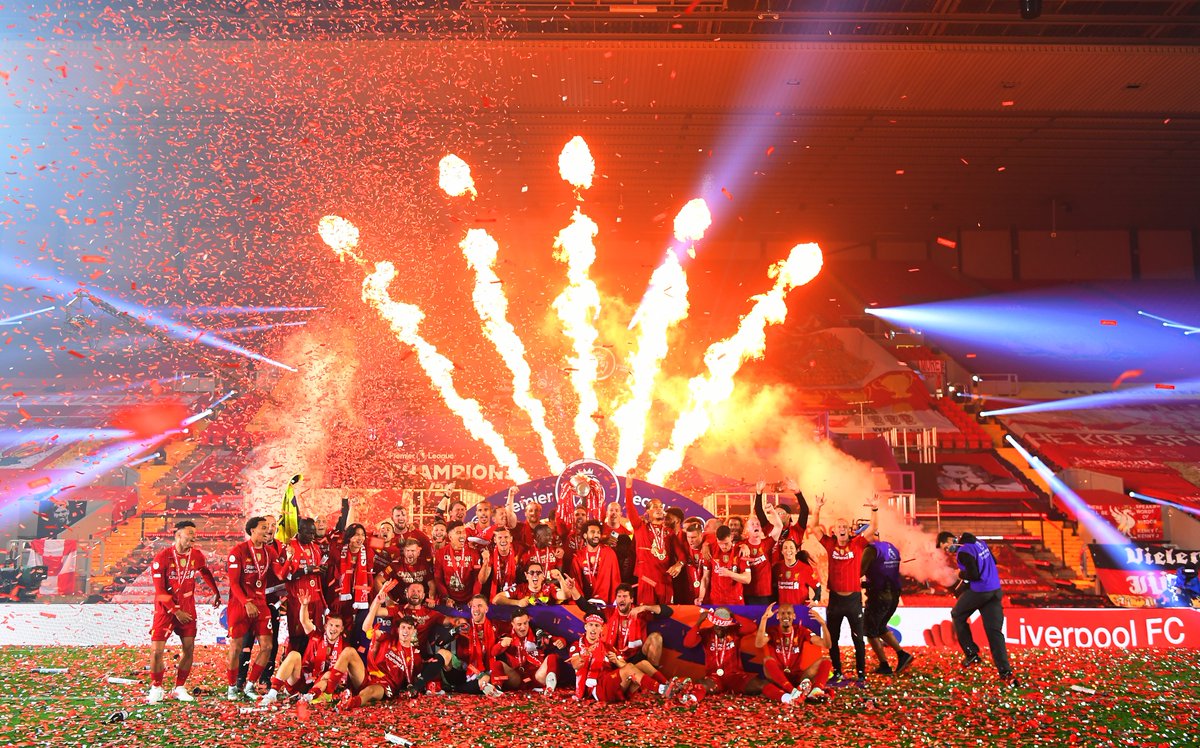
Star Power on Display
One of the Premier League’s greatest strengths lies in its sheer depth of talent. From Thierry Henry to Cristiano Ronaldo, and now Erling Haaland and Mohamed Salah, the league has consistently attracted global superstars. The presence of elite players across all 20 clubs ensures that each fixture is a potential headline-grabber. Even mid-table clashes can produce moments of brilliance that dominate sports media across continents.
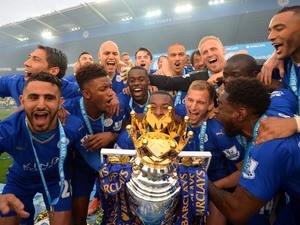
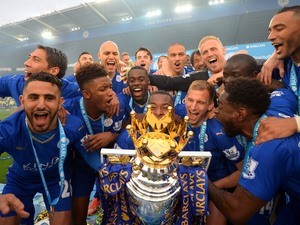
Moreover, the league’s competitive nature means that no single team dominates season after season. Leicester City’s fairytale title win in 2015–16 remains one of the most compelling underdog stories in modern sport—an outcome almost unthinkable in most other top-tier leagues.
Broadcasting Might and Global Reach
The Premier League’s commercial success is underpinned by its unparalleled broadcast deals. From NBC Sports in the United States to Star Sports in Asia and SuperSport in Africa, the EPL reaches over 200 territories with an estimated cumulative audience of over 3 billion people each season. The latest cycle of domestic TV rights alone is worth over £5 billion, with international rights catching up quickly.
This global saturation has not just filled the league’s coffers—it has created an ecosystem where fans from Lagos to Los Angeles can follow their favourite clubs, often with greater fervour than local teams.
Financial Firepower
Money talks in football, and the Premier League speaks louder than anyone. Thanks to its lucrative broadcast deals, the EPL boasts financial muscle unmatched by its European rivals. This has allowed even bottom-half clubs to outbid some of Europe’s elite for top talent.
Take Nottingham Forest, who spent over £150 million after promotion in 2022. That kind of spending power from a newly-promoted side is simply inconceivable in Italy’s Serie A or France’s Ligue 1. Financial might doesn’t just buy players—it funds world-class infrastructure, youth academies, and global marketing strategies that perpetuate the Premier League’s dominance.
Iconic Clubs, Global Brands
The Premier League is home to some of the biggest clubs in football history. Manchester United, Liverpool, Arsenal, Chelsea, and Manchester City are not just successful on the pitch—they are globally recognised brands.
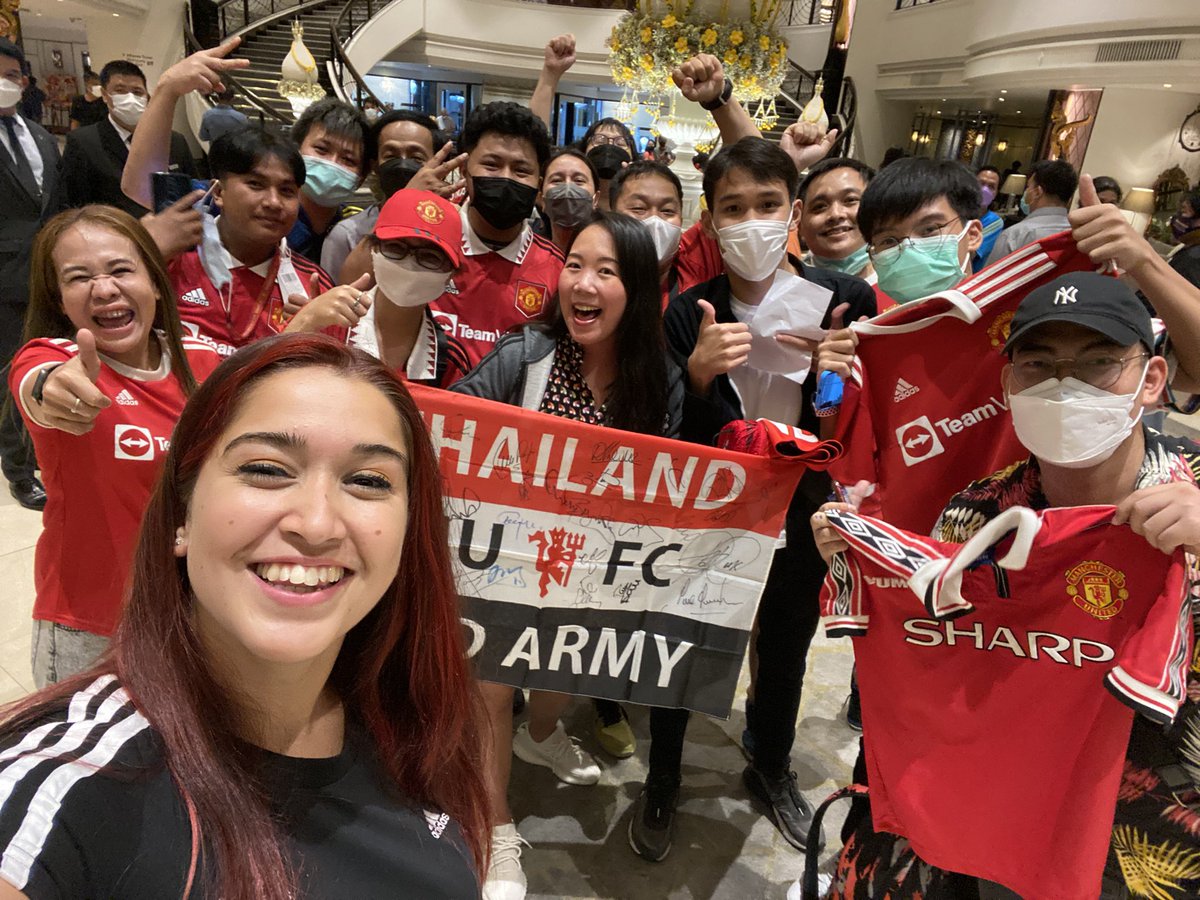
Their fanbases stretch across continents. You’ll find Arsenal jerseys in Nairobi, Manchester United chants in Bangkok, and Liverpool fan clubs in New York City. These clubs transcend sport and have become cultural icons, strengthening the league’s grip on the global football audience.
Managerial Elite
It’s not just players who shine in the Premier League. The managerial talent in the league is second to none. From tactical masterminds like Pep Guardiola and Mikel Arteta to charismatic leaders like Jurgen Klopp and Ange Postecoglou, the Premier League hosts a tactical battleground every week.
These managers bring global narratives, fierce rivalries, and elite footballing philosophies that shape the modern game. Their presence only adds to the league’s allure and competitive drama.
A League Like No Other
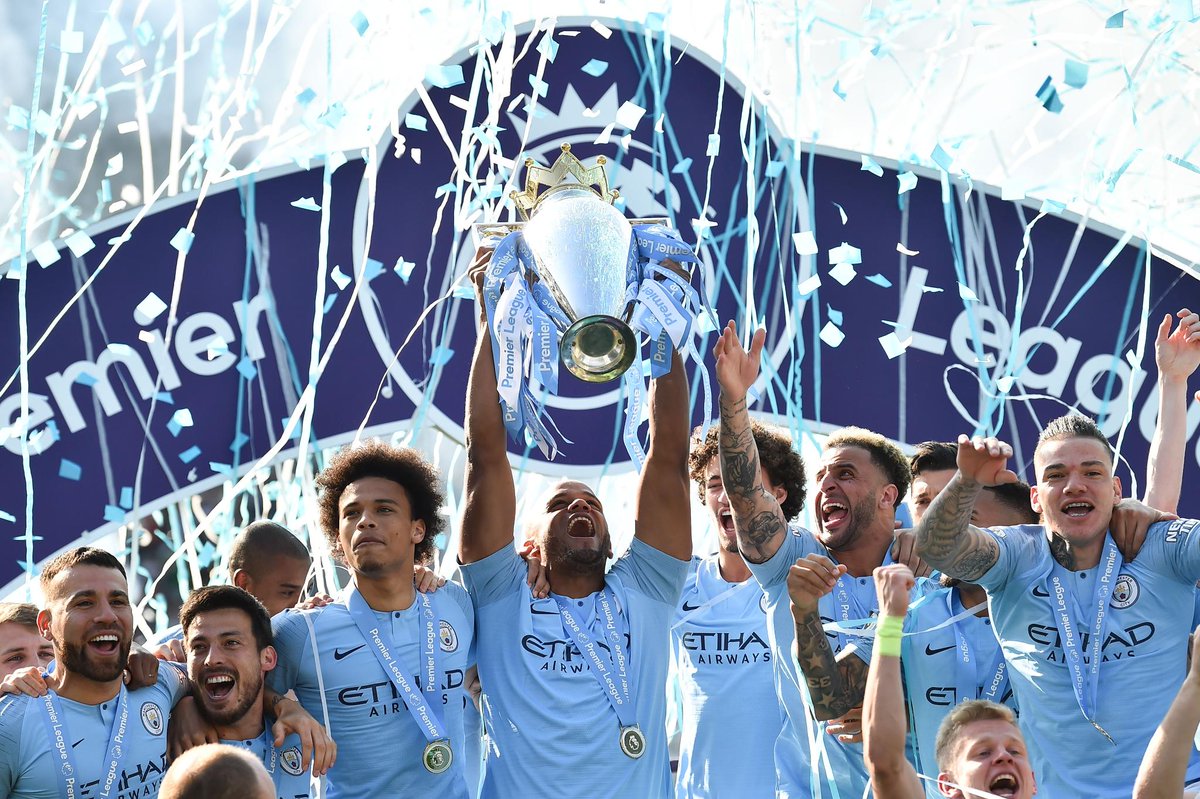
The English Premier League isn’t just a football competition—it’s a global phenomenon. With its unmatched competitiveness, commercial acumen, and cultural impact, the EPL has established itself as football’s true global giant. Whether it’s a relegation six-pointer on a rainy Tuesday in Burnley or a title-decider at the Etihad, every moment feels monumental.
It’s more than a league—it’s the theatre of dreams, and the world is always watching.
[ad_2]
Source link